Regenerative launch planning
Every farm starts with a detailed launch framework that connects land assessment, soil-building strategy, crop logic, and physical layout into one phased roadmap. Instead of improvising after planting begins, we clarify where production zones, service lanes, composting stations, greenhouses, wash areas, and storage points belong from the outset. This reduces wasted investment, prevents workflow clashes, and gives growers a stronger foundation for organic certification practices, seasonal consistency, and long-term land health.
Efficient farm circulation
A productive estate depends on how people, tools, water, harvest crates, and maintenance routines move through space. We organize circulation routes to keep cultivation areas accessible while protecting soil structure and reducing unnecessary labor. Thoughtful placement of access paths, equipment zones, nursery areas, and service points helps teams work faster with less disruption. The farm feels calmer, more intuitive, and easier to scale as crop diversity and output increase.
Market-ready organic positioning
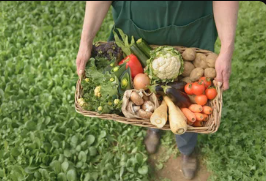
Beyond cultivation, a successful launch needs clear identity. We shape the story of the farm around product quality, responsible methods, and the specific atmosphere of the estate. That can include produce categories, hospitality integration, educational potential, or farm-gate presentation. By aligning the physical environment with a coherent market message, we help emerging farms introduce themselves with credibility, aesthetic consistency, and stronger commercial appeal.
Adapted to microclimate
No two properties perform the same way. Slope, drainage, shade, wind, and water access shape what can succeed organically and what will need adaptation. We configure each estate around these local realities, selecting practical growing zones and support systems that match the land rather than forcing a generic template onto it. That attention to context improves resilience, plant health, and maintenance efficiency from the very first growing cycle.
Clear phased implementation
Launching an organic farm can become overwhelming when infrastructure, planting, staffing, and procurement all compete at once. We divide the process into realistic phases that prioritize essentials first, then expand with confidence. Early works might focus on soil preparation, irrigation, and core beds, while later stages add orchards, biodiversity strips, visitor areas, or specialty production. This sequencing keeps investment more controlled and makes progress easier to manage.
Long-term stewardship mindset
Our planning perspective extends beyond a single season. Organic estates need systems that age well, support soil fertility, and remain practical as teams evolve. We favor durable structures, sensible maintenance planning, crop rotations with restorative value, and landscape choices that improve ecological balance over time. This gives clients a farm that is not only launch-ready, but prepared for years of responsible use and steady development.